Introduction
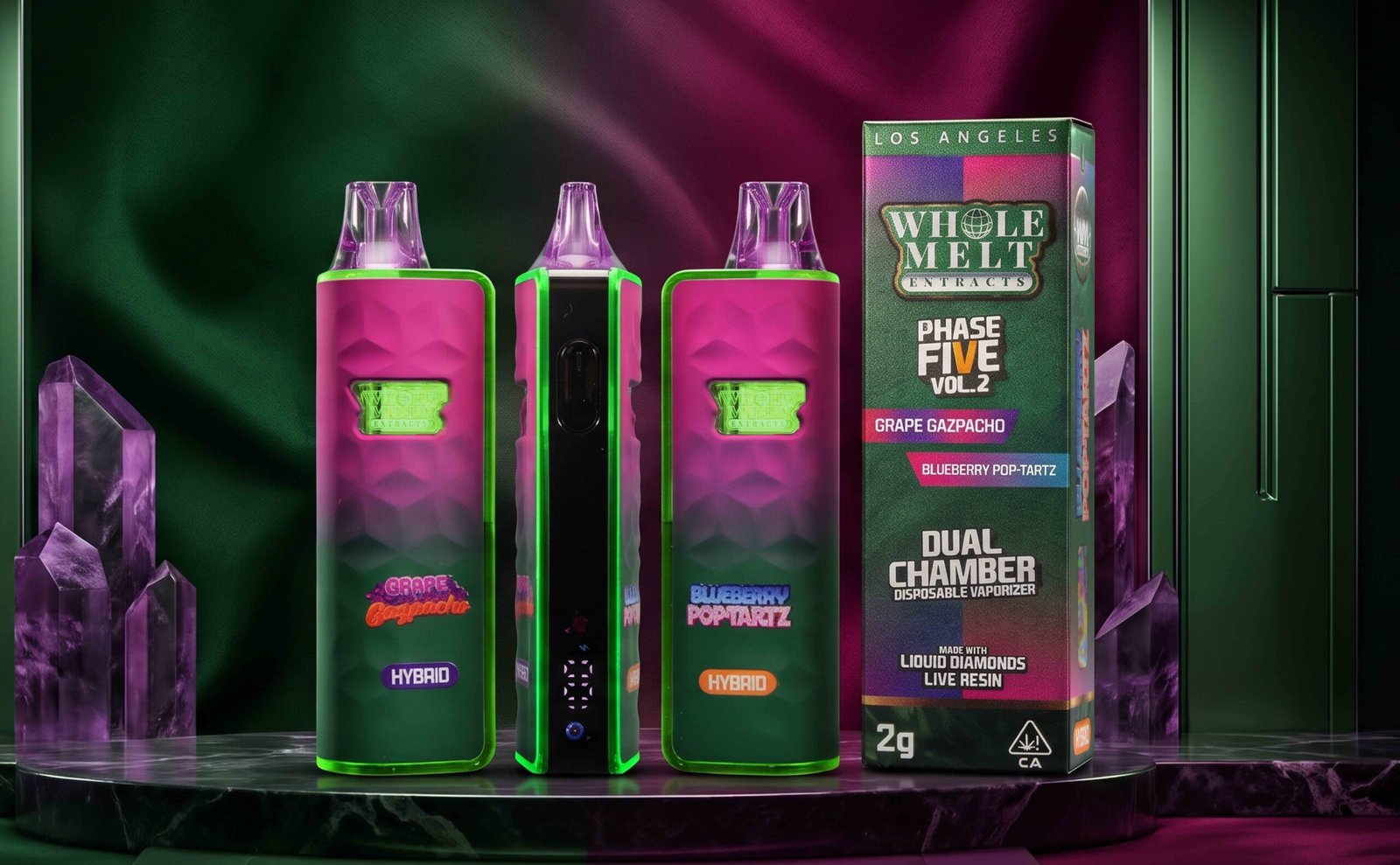
Disposable device hardware comes in different shapes, configurations, and technical specifications. For distributors, wholesalers, and businesses evaluating hardware products, understanding the differences between an empty disposable device and a prefilled product is an important first step. The Whole Melt Extracts 2g Disposable Phase 5 V2 (Empty) belongs to a product category that requires buyers to look beyond its name and examine the actual hardware configuration, documentation, and intended market.
The word “empty” is particularly important. It distinguishes the hardware product from a finished, filled disposable device. Buyers evaluating empty hardware should focus on the physical device, its verified technical specifications, supplier documentation, packaging, and applicable compliance requirements.
This guide explains the basic concepts behind empty disposable hardware, the information buyers should review, and the questions worth asking before making a sourcing decision.
What Is Empty Disposable Hardware?
Empty disposable hardware refers to a device supplied without the consumable material that may be associated with a filled product. Depending on the design, a device may include a housing, reservoir, heating components, electrical contacts, battery, airflow pathway, and other structural elements.
The precise configuration varies by model. Not every empty device includes the same components, and a product name alone does not establish which parts are supplied.
For businesses researching the Whole Melt Extracts 2g Disposable Phase 5 V2 (Empty), the first task is to obtain a current specification sheet. This document should identify the components included in the supplied unit and distinguish standard features from optional configurations.
A clear understanding of the product also helps prevent misunderstandings between buyers and suppliers. For example, a listing for empty hardware should not imply that the device contains extract, oil, or another consumable material when the unit is supplied empty.
Understanding the Phase 5 V2 Product Name
Product names often combine a brand reference, a model designation, a generation number, and a nominal capacity or product category. In this case, “Whole Melt Extracts,” “Phase 5 V2,” and “2g Disposable” help identify the specific product being discussed.
However, naming conventions are not a substitute for technical documentation.
The “V2” designation may distinguish one version from another, but buyers should confirm which physical and technical changes separate the versions. Similarly, “2g” in the product name should not be interpreted as proof that an empty device contains two grams of material.
When comparing listings, verify the exact model name, product photographs, dimensions, supplied components, and specification sheet. This is especially important when several visually similar devices are sold under related names.
Important Hardware Specifications to Understand
Several technical categories help buyers understand disposable hardware products.
1. Device dimensions and construction
Dimensions influence packaging, storage, shipping, and product presentation. Buyers should request the overall length, width, thickness, weight, and available product drawings where appropriate.
Construction materials should also be documented. Suppliers should identify the materials used in relevant device components and provide supporting documentation when required.
2. Battery configuration
If the device includes an integrated battery, buyers should confirm its rated capacity, charging configuration, electrical specifications, and applicable safety documentation.
Battery specifications should come from the supplier’s documentation rather than assumptions based on product photographs or similar models.
3. Reservoir and internal components
The reservoir design and internal construction are important characteristics of a device. Buyers should establish which components are included, what materials contact the intended contents, and whether the supplier has relevant compatibility or materials documentation.
A product’s advertised capacity should be supported by appropriate technical information. Nominal capacity, usable volume, and the amount of material included in a shipment are different concepts.
4. Packaging and supplied accessories
Packaging can affect inventory management, identification, storage, and shipping. Buyers should request photographs of the actual packaging and a written list of included accessories.
If individual packaging, master cartons, labels, or other options are available, those options should be confirmed before an order is placed.
Why Buyers Compare Empty and Prefilled Products
Empty hardware and prefilled products are not interchangeable descriptions.
An empty device is supplied without its intended consumable material. A prefilled product contains material and may therefore be subject to additional product, labeling, manufacturing, and distribution requirements.
For a wholesale buyer, this distinction affects inventory records, supplier evaluation, product descriptions, and regulatory review. It also helps ensure that product pages accurately describe what a customer receives.
When evaluating an empty device, buyers should establish exactly what the supplier delivers and avoid relying solely on photographs of a finished product.
How to Evaluate a Hardware Supplier
A useful supplier assessment begins with product documentation rather than promotional claims.
Ask for a current specification sheet, clear photographs, packaging details, quality-control information, and the relevant compliance documents for the intended market. If the supplier offers samples, establish whether the sample matches the proposed production configuration.
It is also worth clarifying minimum order quantities, lead times, order consistency, defect-handling procedures, and the process for communicating product changes.
Suppliers should be able to explain how they identify different versions and prevent confusion between similar models. Written confirmation is particularly useful when specifications or packaging are customized.
Common Mistakes When Researching Empty Devices
One common mistake is assuming that products with similar names have identical specifications. Even small design changes can affect dimensions, components, packaging, or compatibility.
Another mistake is treating marketing descriptions as verified technical claims. Product names, informal capacity labels, and photographs do not independently establish battery performance, material compatibility, or safety.
A third mistake is overlooking the distinction between empty hardware and a finished product. Clear product descriptions should state whether the device is supplied empty and identify exactly what is included.
Finally, buyers should not assume that documentation for one model automatically applies to another version. Confirm that all technical documents correspond to the exact product being evaluated.
Conclusion
The Whole Melt Extracts 2g Disposable Phase 5 V2 (Empty) can be researched as a specific empty-hardware product, but an informed evaluation requires more than its name. Buyers should verify the device configuration, dimensions, battery information where applicable, materials, packaging, and supplier documentation.
For distributors and businesses, these checks provide a practical foundation for accurate product listings, consistent purchasing records, and supplier comparisons.
Before making a decision, request the current specification sheet and confirm that the delivered product matches the documented configuration. Clear information at the beginning of the sourcing process helps reduce misunderstandings later.