Selecting empty vape hardware for a wholesale catalog involves more than checking a product photograph or comparing advertised prices. Buyers need to understand the listed specifications, identify which details remain unconfirmed, and determine whether the product configuration meets their purchasing requirements.
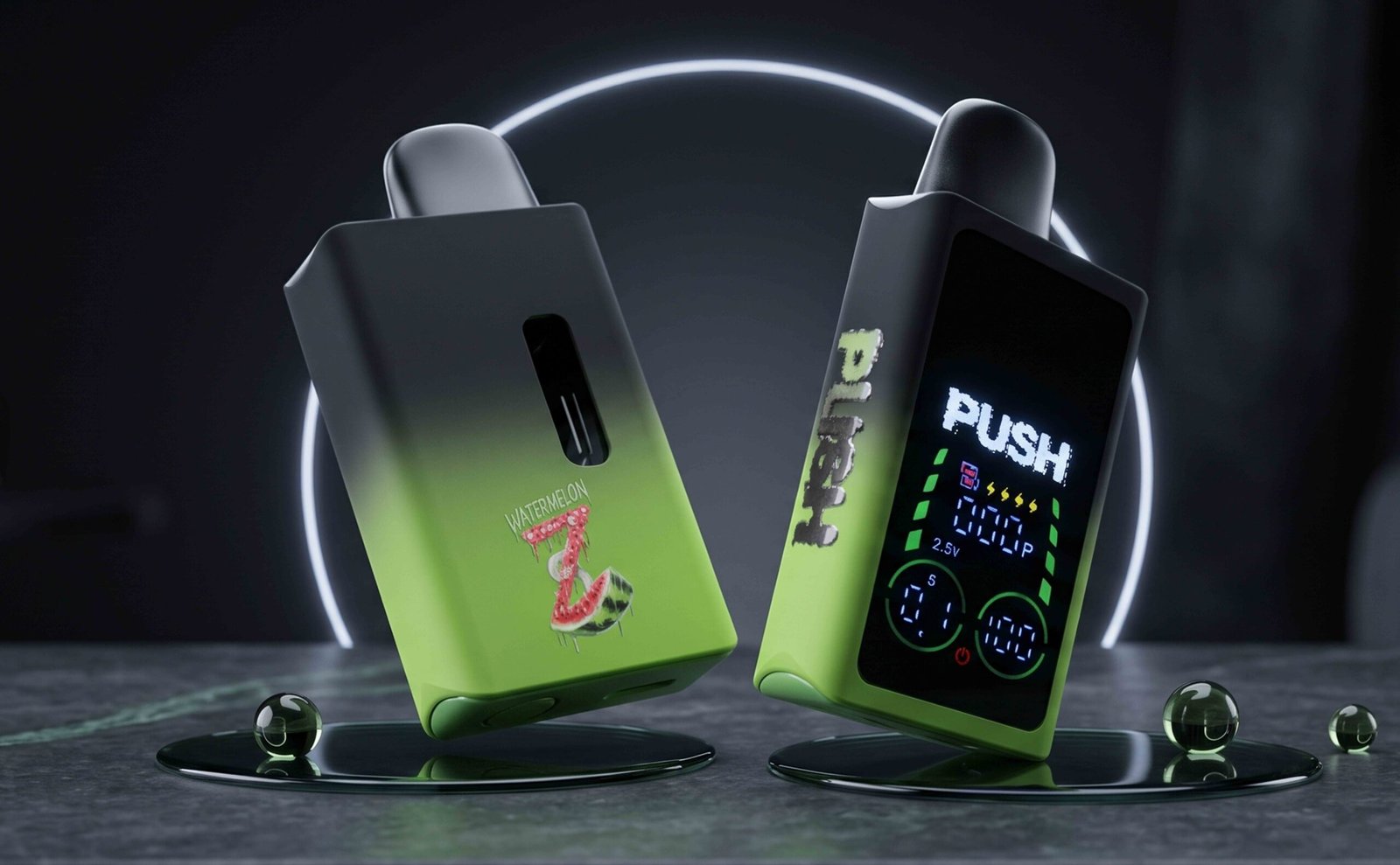
The Push Vapes 2ML Push Summer Edition Disposable 2G Empty Vapes Wholesale listing provides a useful starting point for this evaluation. The page lists a 360mAh battery, Type-C charging, a 4 × 1.8mm intake oil-hole measurement, ten named options, and case quantities of 200 or 500 pieces.
These details help identify the product, but they do not answer every purchasing question. The following guide explains how to review the listing systematically and prepare a more informed wholesale inquiry.
1. Verify the Exact Product Version
The first step is to confirm that the product being quoted is the same version shown on the listing. Product names may include a brand, edition, capacity designation, and hardware description, but naming conventions are not always standardized across independent sellers.
The target product is listed as the Push Summer Edition Disposable 2G Empty Vapes Wholesale model. Before comparing it with another Push product, confirm the exact SKU or model identifier, external design, packaging, and current specification sheet.
This matters when different listings use similar names but describe different battery capacities, activation methods, internal structures, or packaging configurations. A shared brand or edition name is not sufficient evidence that two devices are identical.
For purchasing records, save the product-page URL and ask the supplier to confirm that the quotation refers to that exact item. If the product is revised, request confirmation of which specifications have changed.
2. Clarify the Capacity Terminology
The product name contains both 2G and 2ML. These labels should be reviewed carefully rather than treated as interchangeable technical measurements.
Grams measure mass, whereas milliliters measure volume. A marketing designation may also be used to identify a product format without providing a complete engineering description of the empty hardware.
For a purchasing decision, ask the supplier to clarify the meaning of the capacity terminology and provide the documented reservoir specification where applicable. If the project requires a specific usable capacity, request confirmation of that exact measurement rather than relying on the product title.
Clear terminology is particularly important when comparing models or preparing product descriptions. It helps ensure that a commercial label is not mistakenly presented as a verified physical measurement.
3. Evaluate the Listed Battery Specification
The product page identifies a 360mAh battery. This is a useful point of comparison when reviewing technical documentation, but it should not be interpreted as a complete performance rating.
Battery capacity alone does not establish runtime, charging duration, expected lifespan, or the number of uses. Those characteristics depend on the overall device design and operating conditions.
Buyers should confirm that the 360mAh figure applies to the exact version being quoted. If battery documentation, protection features, or other electrical requirements matter to the intended market, request the relevant information from the supplier.
It is also helpful to clarify whether the quoted model is supplied with the same battery configuration across the requested quantity. Any proposed component substitutions should be disclosed and approved before the order is finalized.
4. Confirm the Type-C Charging Interface
The current listing specifies Type-C charging. Buyers can use this information to compare the product against their technical requirements.
However, the connector type does not establish charging speed, cable inclusion, electrical protection, or certification status. These should be treated as separate questions.
If charging documentation is needed, ask the supplier to identify the exact model and provide the available technical information. Avoid assuming that the presence of a familiar connector automatically means the device meets a particular electrical or regulatory standard.
A good comparison record should therefore include both the connector type and any additional charging requirements relevant to the purchase.
5. Review the Intake Oil-Hole Measurement
The published intake oil-hole measurement is 4 × 1.8mm. If the dimensions are important to your project, verify them against the supplier’s current documentation.
The measurement alone does not establish compatibility with a specific formulation or confirm performance outcomes. Buyers should not infer leak resistance, heating consistency, or product longevity solely from this dimension.
Ask for a technical drawing or written confirmation if the specification affects product compatibility. Where multiple versions exist, make sure the document identifies the exact model being quoted.
This is a practical way to avoid relying on assumptions drawn from a product photograph or an abbreviated listing.
6. Check Packaging and Case Quantities
The listing describes the packaging as a vape pen, master box, and small boxes. It also provides case options of 200 pieces or 500 pieces.
Before comparing wholesale prices, confirm what these quantities mean in the quotation. Ask how many individual units are included per case, how the small boxes are packed, and whether the master box is included in the stated packaging configuration.
If your business needs customized packaging, request confirmation of available options and any associated costs. Do not assume that customization is included in the listed price.
Packaging details can affect storage, inventory records, and receiving procedures. Having the configuration documented before purchase makes it easier to reconcile the order with the delivered shipment.
7. Review the Ten Listed Options
The product page names ten options: PARIS 0G, WATER MELON SORBET, BIRTHDAY CAKE, SOUR TANIE, WATERMELON Z, PINK GUAVA, PEACH RINGS, DIABLO OG, WHITE GUMMY BEAB, and GRAPE APE.
These names should be treated as the options shown on the listing, not as independently verified descriptions of contents or product effects. Buyers should confirm whether each name corresponds to a specific exterior design, packaging label, or other selection option.
For catalog preparation, verify the spelling and availability of each option. If the supplier uses standardized SKU codes or reference images, ask for them to reduce confusion when selecting variants.
If only some options are currently available, ensure that the quotation identifies the requested choices rather than assuming the entire list can be supplied.
8. Compare the Total Commercial Terms
The product page currently displays a price of US$3.40 and lists 200-piece or 500-piece case options. These are useful reference points, but a displayed price should not be assumed to cover every possible order configuration or expense.
Request a quotation that specifies the applicable unit price, order quantity, packaging, shipping charges, payment terms, and any customization costs. If taxes, duties, or other fees may apply, ask how they are handled.
When comparing multiple suppliers, use the same requested quantity and packaging requirements for each quotation. Otherwise, a lower displayed price may reflect a different configuration or a different set of included services.
The aim is to compare equivalent offers, not simply the headline price.
9. Ask for the Relevant Documentation
Before approving an order, request a current specification sheet that identifies the product version and confirms the technical details relevant to the purchase.
Depending on your market and project requirements, you may also need applicable compliance documentation, packaging information, or written confirmation of component specifications.
Avoid assuming that documentation for a similar Push model applies to this particular Summer Edition listing. The document should identify the exact model and, where relevant, the batch or configuration being supplied.
Keep the confirmed specifications alongside the quotation and purchase order. This creates a clear record of what was agreed.
10. Prepare a Focused Wholesale Inquiry
A concise inquiry can reduce unnecessary back-and-forth. Include the product-page link, desired case quantity, destination, packaging requirements, and any specifications that need confirmation.
For example:
Subject: Push Summer Edition 2G Empty Hardware — Specification and Wholesale Inquiry
Hello,
We are reviewing the Push Summer Edition 2G empty hardware listed on your website.
Please confirm the current specifications, including the meaning of the 2G and 2ML designations, the 360mAh battery, Type-C charging interface, 4 × 1.8mm intake oil-hole measurement, and packaging configuration.
Please also confirm the available case quantities, current quotation, option availability, customization arrangements, and shipping terms for our destination.
Kindly provide the current specification sheet for the exact model.
Thank you.
This request focuses on the details that matter for comparing the product and preparing an order.
Conclusion
Evaluating Push Summer Edition empty vape hardware is a process of confirming details rather than relying on product naming alone. The battery, charging interface, intake oil-hole measurement, packaging, options, case quantities, and commercial terms should all be reviewed in a consistent way.
The product listing provides a starting point, while a current specification sheet and written quotation help establish the exact configuration being offered. By resolving unanswered questions before ordering, purchasing teams can compare suppliers more objectively and maintain clearer order records.
For the listed product and its current details, visit the Push Summer Edition 2G empty vape hardware page.