Choosing empty vape hardware for wholesale purchasing involves more than finding a product with the right appearance or advertised capacity. Buyers need to compare technical specifications, packaging arrangements, order quantities, customization options, and supplier communication before selecting a model.
Dual-chamber devices can be particularly important to evaluate carefully because the chamber layout may differ between models even when their external appearance is similar. A structured comparison helps purchasing teams identify which specifications meet their requirements and which details still need confirmation.
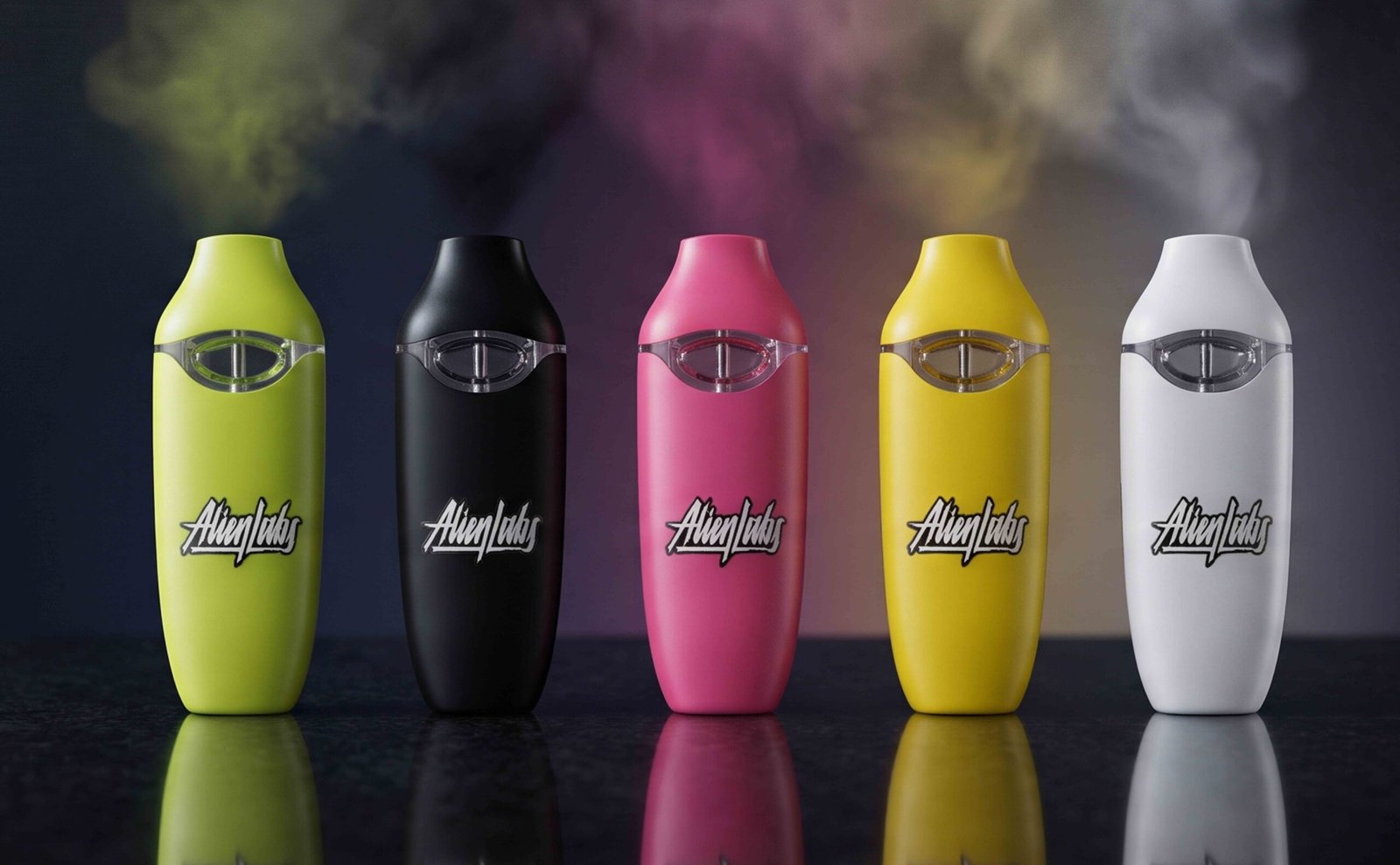
This guide explains how to evaluate 2ml dual-chamber empty vape devices and uses the Alienlabs 2G Disposable 1+1 Dual Chambers 2ML model as an example of the information buyers can review.
1. Start With the Chamber Configuration
The first step is to establish exactly what the product description means. A “dual-chamber” device contains two chambers, but that label alone does not establish their individual capacities, internal arrangement, or operating mechanism.
Likewise, “2ml” and “1+1” should be interpreted according to the supplier’s confirmed specifications. Before comparing two models, ask whether the stated capacity refers to the combined capacity and whether the two chambers have equal or different allocations.
This distinction matters when preparing product records and purchase orders. If one supplier describes total capacity while another emphasizes individual chamber capacity, a direct comparison based on product names alone may be misleading.
For each model, record the stated total capacity, chamber count, capacity allocation, and any documented differences in operation. If information is missing, mark it as unconfirmed instead of filling the gap with an assumption.
2. Compare Battery Specifications Carefully
Battery capacity is another useful point of comparison. The Alienlabs model is listed with a 260mAh battery. Buyers can use this published figure when comparing the specification sheets of candidate devices.
However, battery capacity should not be used as a standalone measure of overall device quality. Runtime and performance depend on the complete design, electrical components, operating conditions, and other factors. A higher stated capacity does not automatically establish better performance in every application.
During supplier evaluation, confirm that the battery specification applies to the exact model under consideration. If battery protection features, charging requirements, or technical test documentation are relevant to your market, request the corresponding information.
It is also useful to ask whether the quoted product configuration will remain consistent across the requested quantity. Any permitted component substitutions or model revisions should be clarified before ordering.
3. Check the Charging Interface
The featured Alienlabs listing specifies Type-C charging. For buyers comparing hardware, this provides a straightforward point to verify against the requirements of the intended product configuration.
Nevertheless, charging-interface type and charging performance are separate considerations. A Type-C connector alone does not confirm charging speed, cable inclusion, electrical safety features, or certification status.
Ask the supplier to confirm the connector specification and provide any available technical documentation. Where the product is intended for a regulated market, make sure the documentation is relevant to the exact model and not merely a similar-looking device.
Recording the charging interface alongside the battery specification helps buyers distinguish between product variants and avoid ordering an unintended configuration.
4. Evaluate the Packaging Configuration
Packaging can influence storage, handling, product presentation, and the way inventory is counted. The Alienlabs product page lists a vape pen, master box, and small boxes as packaging components.
That description is a useful starting point, but buyers should establish how these components are supplied. For example, confirm whether every unit has an individual small box, how many units are packed in each master box, and whether labels or other materials are included.
Do not assume that standard packaging and customized packaging have identical costs or lead times. If branding or packaging customization is required, ask the supplier to specify the available options and any additional conditions.
Written confirmation is especially valuable for repeat orders. Keeping a record of the approved packaging configuration can help the purchasing team compare future shipments against the original order requirements.
5. Understand Case Quantities and Bulk Quotations
The product listing provides two case options: 200 pieces per case and 500 pieces per case. These quantities give buyers a basis for discussing order configuration with the supplier.
Before placing an order, confirm the applicable case size, the total number of individual units, the packaging arrangement, and the quotation terms. Also ask whether the quoted price applies to a particular quantity or changes between order tiers.
A useful quotation comparison should include more than the unit price. Consider packaging, shipping charges, applicable taxes or duties, customization costs, payment terms, and any other charges disclosed by the supplier.
It is equally important to distinguish between listed case options and a confirmed minimum order quantity. A page that displays two case sizes does not necessarily establish every possible MOQ or ordering condition.
6. Ask What Customization Actually Includes
Customization may refer to different services, depending on the supplier and model. It can involve branding or packaging, but buyers should not assume that internal hardware changes, colors, printed materials, and other modifications are all available.
Prepare a written list of requested changes and ask the supplier to confirm each one separately. For customized packaging, provide the intended artwork, dimensions, color requirements, and other specifications only after the supplier confirms the applicable production requirements.
If customization affects the product itself, ask whether it changes the specification sheet, price, production arrangements, or documentation requirements. These details should be resolved before approving a production order.
7. Review the Supplier’s Documentation
A clear product listing helps buyers conduct initial research, but documentation is essential when moving toward a purchase decision.
Request a current specification sheet identifying the exact model, capacity, chamber structure, battery capacity, charging interface, packaging, and available order configurations. If relevant to your market, ask about applicable product compliance documentation and whether it covers the exact model and intended application.
Avoid relying on generic statements such as “premium quality” or “reliable performance” without supporting information. Where quality standards are important, ask the supplier how the product is inspected and whether documented quality-control procedures or sample inspection arrangements are available.
The purpose is not to request every possible document for every product. It is to identify the documents needed for your specific purchasing, import, distribution, and compliance requirements.
8. Use a Consistent Comparison Checklist
When comparing several models, a simple table can keep the process organized.
Comparison point
What to confirm
Capacity
Total capacity and individual chamber allocation
Chamber design
Number of chambers and documented operating features
Battery
Stated capacity and available supporting information
Charging
Connector type and relevant technical requirements
Packaging
Included components and packing quantities
Customization
Available options and applicable conditions
Bulk ordering
Case size, order quantity, and quotation terms
Shipping
Origin, estimated arrangements, and shipping charges
Documentation
Specification sheet and applicable compliance records
Use the same criteria for every supplier. This makes differences easier to identify and reduces the risk of overlooking an important specification simply because one listing contains more marketing language than another.
9. Applying the Checklist to the Alienlabs Model
The Alienlabs 2G Disposable 1+1 Dual Chambers 2ML Empty Vapes Wholesale page lists a 2ml dual-chamber format, a 260mAh battery, Type-C charging, packaging components, and 200-piece or 500-piece case options.
These details provide a basis for an initial comparison. Before ordering, buyers should still confirm the meaning of the 1+1 designation, the capacity allocation, exact packaging contents, available customization, and the quotation applicable to their desired quantity.
A reliable wholesale comparison begins with consistent criteria. Chamber configuration, capacity, battery specifications, charging interface, packaging, customization, and bulk-order terms should all be reviewed before selecting a device.
By documenting what is confirmed and identifying what remains unknown, buyers can compare products more objectively and reduce misunderstandings during quotation and order processing. The most suitable model is the one that meets the documented requirements of the purchasing project—not simply the one with the most attractive product name or description.